
Exploring Beetle Diversity in New York City: A New Urban Ecology Project
Understanding the dynamics of urban ecosystems starts with examining the species that inhabit them and the pressures they face. Our New York City beetle survey aims to explore beetle diversity and abundance in NYC parks and investigates the impact of urban specific pressures they may face.
In this study, we investigate beetle assemblages and population heterogeneity across five unique Manhattan parks, deploying panel flight-Intercept traps (featured in image below) to sample beetle populations. Our research sites include Central Park, Inwood Hill Park, Van Cortlandt Park, Riverside Park, and other key green spaces around the city. By strategically placing our traps at the edges of these parks, we aim to capture a comprehensive snapshot of beetle communities.
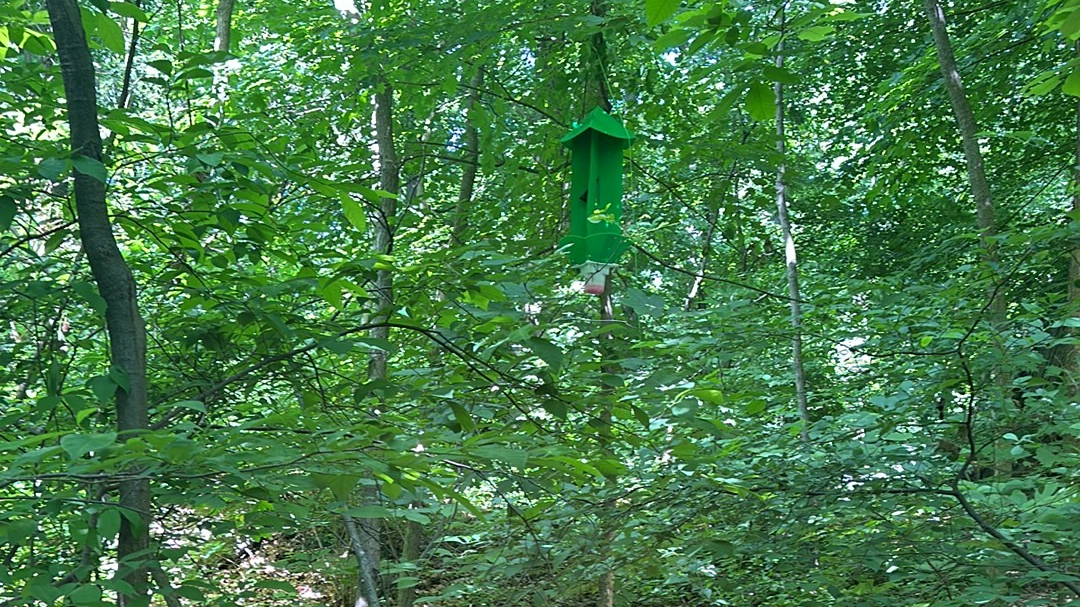
We propose that the beetle populations in these urban parks will vary significantly based on the type and intensity of edge disturbances they experience. Edges—where parkland meets urban infrastructure—often create unique environmental conditions that can support both transient and permanent beetle species. Many of these species may have previously gone unnoticed in NYC’s urban parks.
Ecotones, or transitional areas between different ecological communities, play a significant role in influencing species distribution and dynamics, even in urban settings. Forest patches within cities are particularly valuable for their high biodiversity compared to the surrounding built environment. Understanding the complex interactions at these edges is essential for conservation efforts.
By focusing on edge specialists—species that thrive in these boundary zones—we can gain valuable insights into the effects of urbanization on biodiversity. This research underscores the need for ongoing studies in urban parks, highlighting the importance of preserving and enhancing these green spaces to support diverse and resilient ecosystems.
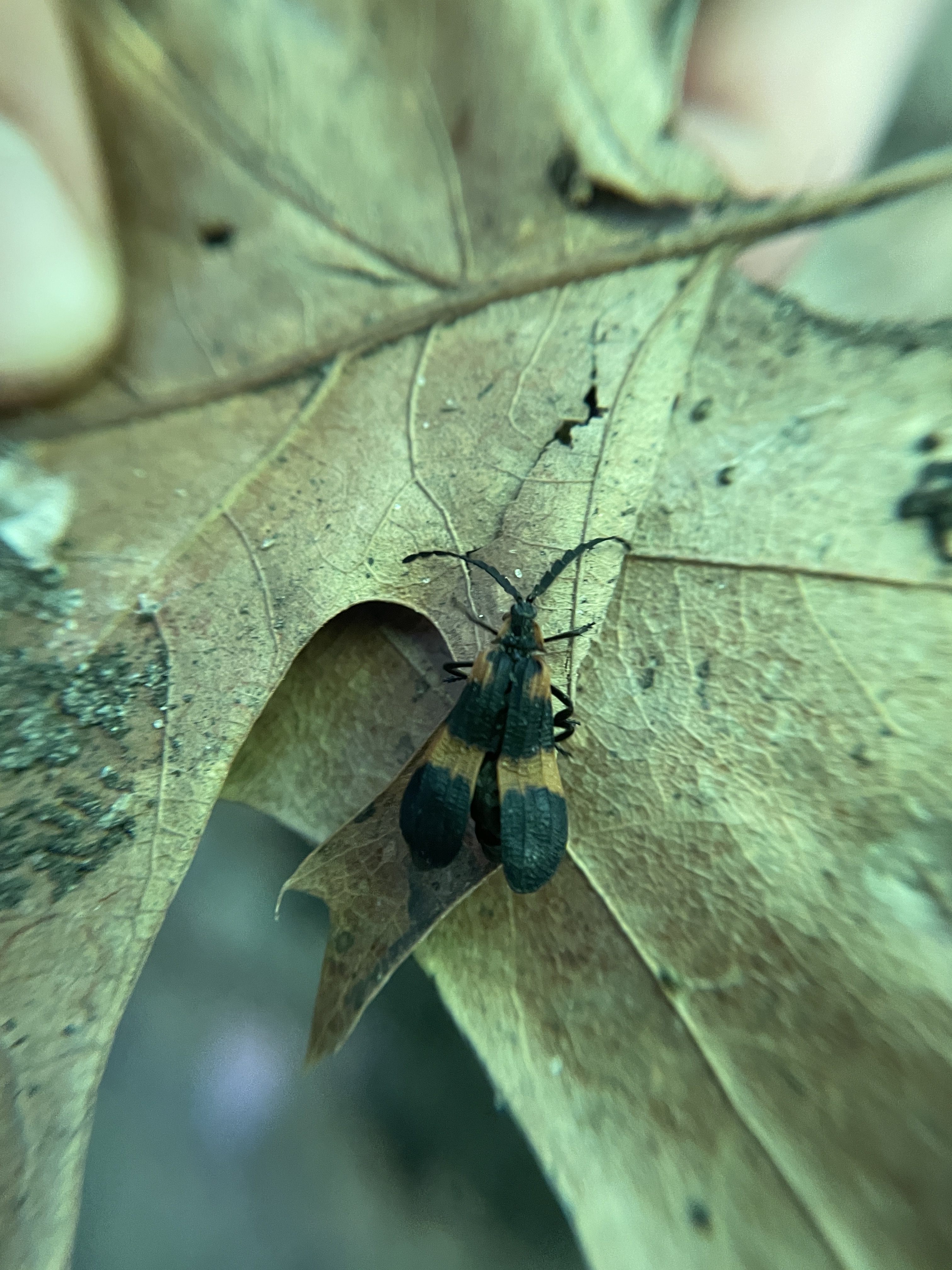
Our project aims not only to document beetle diversity but also to raise awareness about the ecological significance of urban parks. Through this work, we hope to contribute to the broader understanding of urban ecology and inspire efforts to protect and sustain the natural habitats within our cities. Stay tuned for more updates (beetle highlights posted in our blog, Bugs in the BIG apple, and social media, #BugsBIGapple) as we continue to explore and uncover the bustling beetles living in New York City’s parks.
 BRODIE BUG LAB