First Find: The Bess Beetle of Van Cortlandt Park

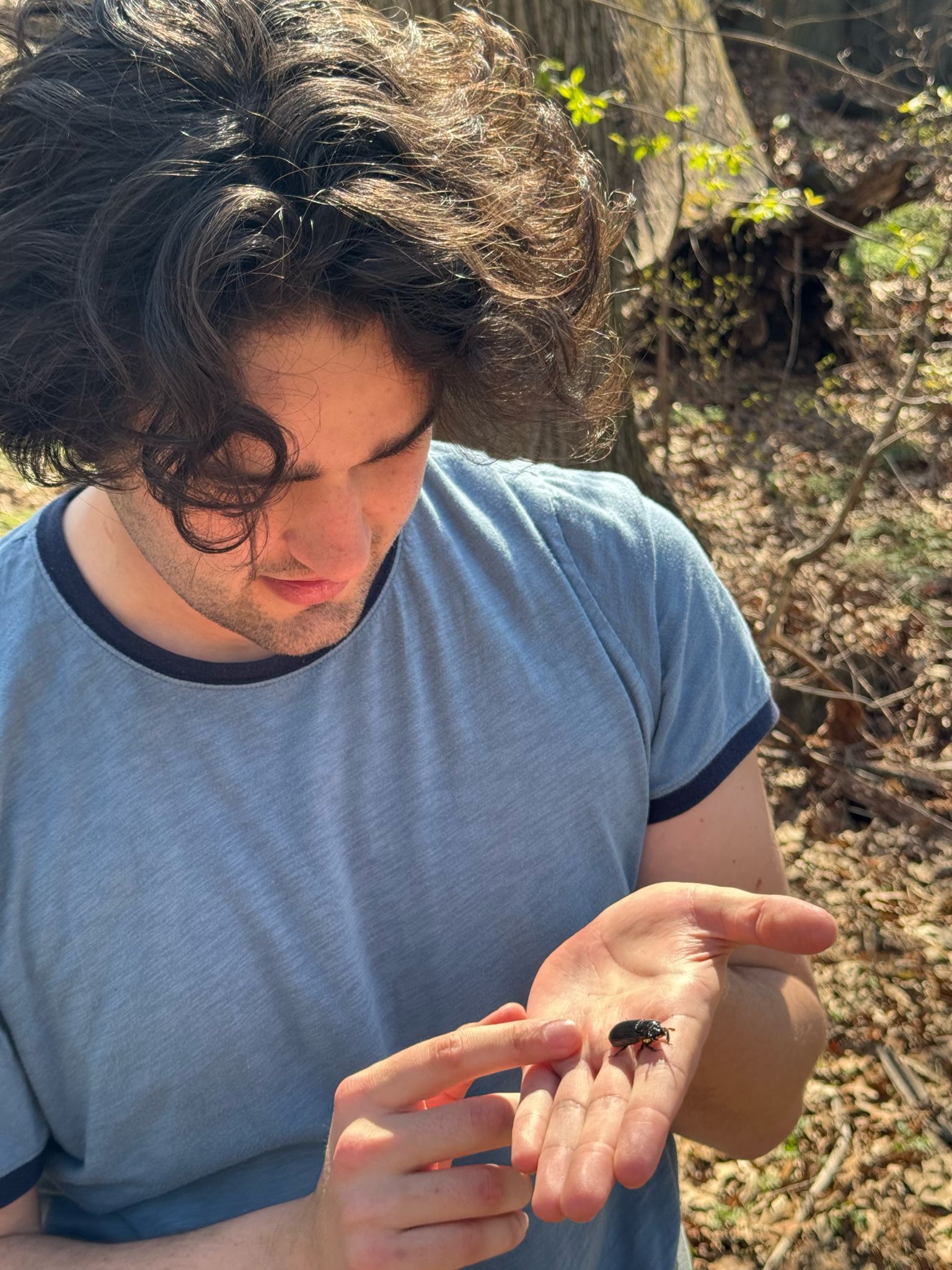
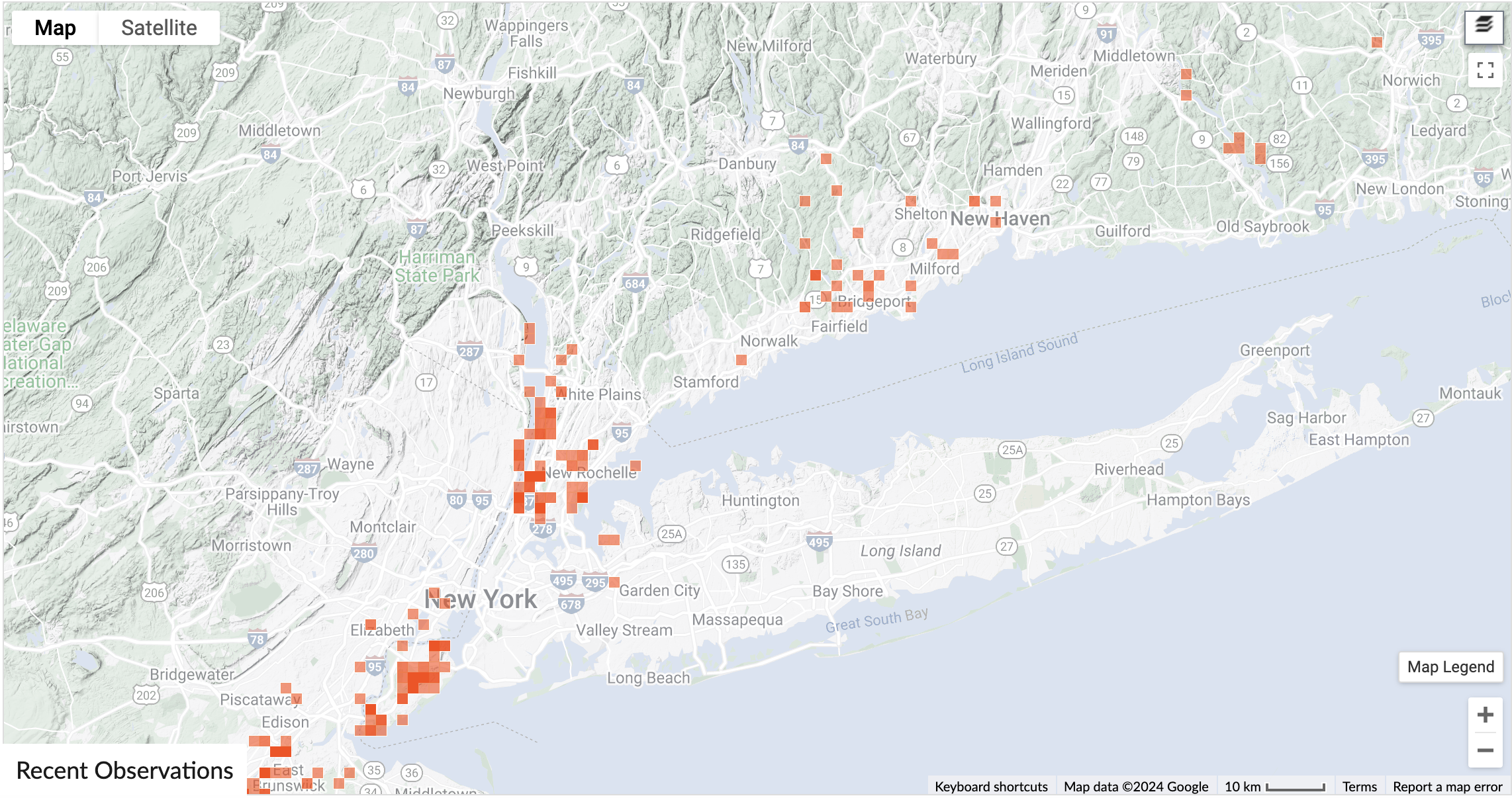
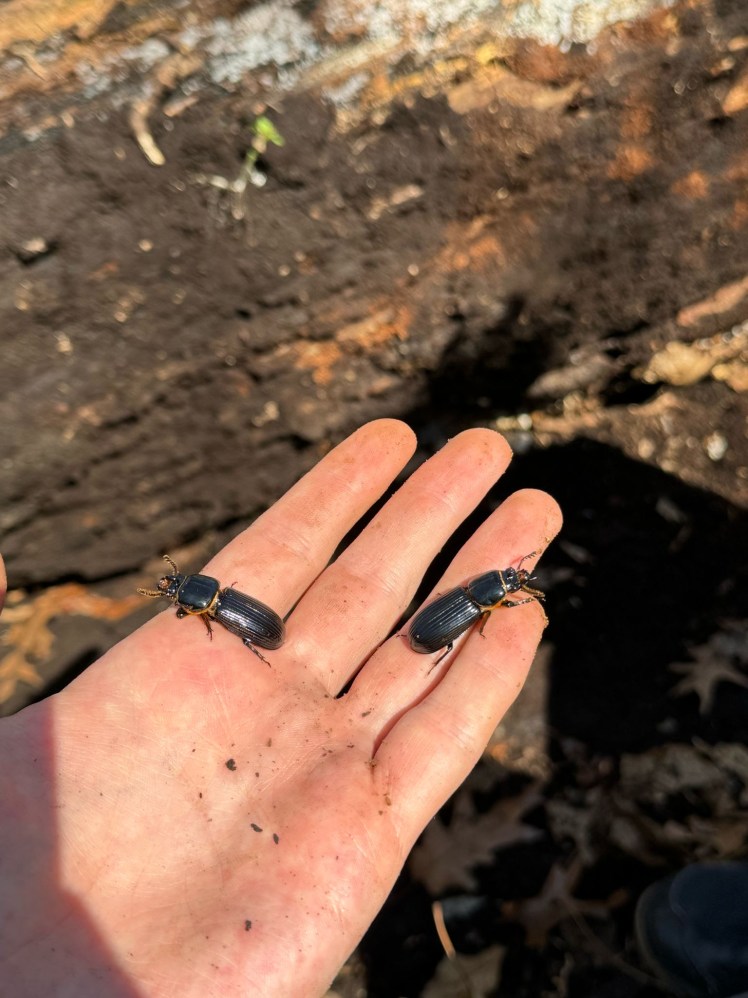
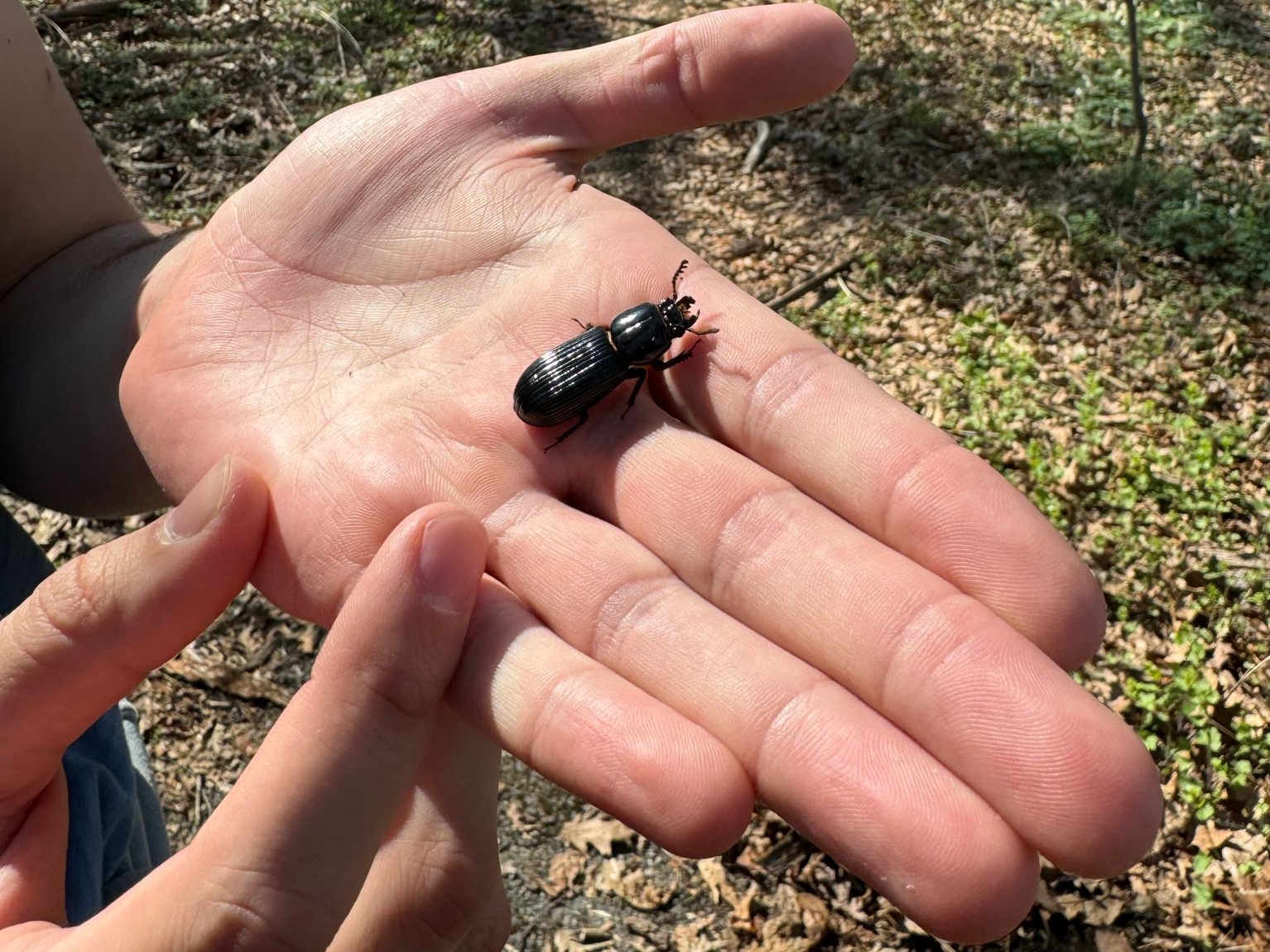
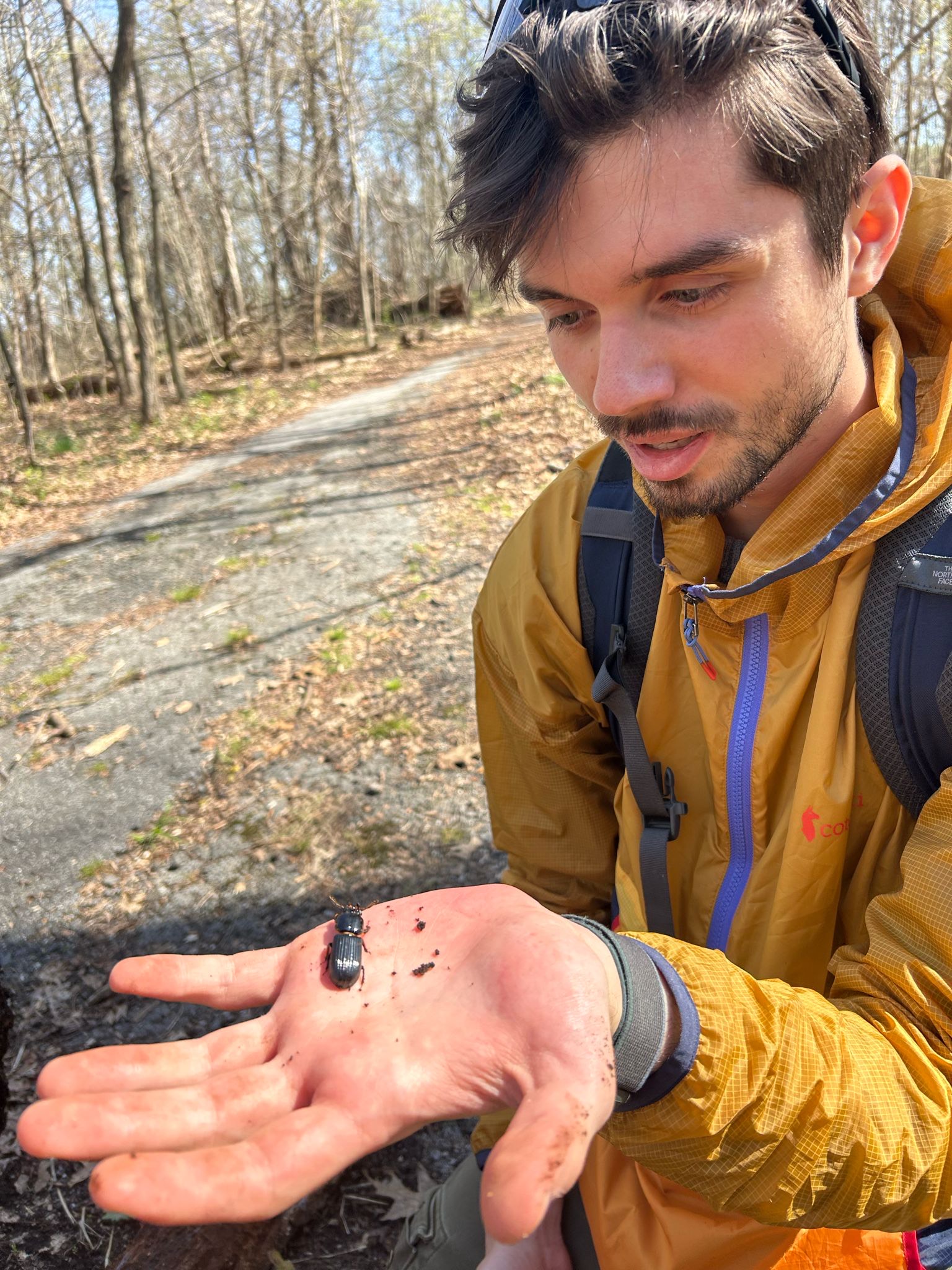
While scoping out where to place the traps, the #NYCbeetlesbustle team found its first beetle in Van Cortlandt, a bess beetle, patent-leather, or horned passalus beetle (Odontotaenius disjunctus). It is a large, glossy black, and has a distinctive horn-like projection on its head. Even more telling is the squeaking sound, called stridulation, it makes by rubbing body parts together (they are very chatty, social beetles). These beetles are very common in the tropics but only 5 species in the United States.

Ecological Importance

Bess Beetles are decomposers, meaning they feed on decaying organic matter such as fallen logs and leaf litter. As they burrow through the forest floor, they help break down dead plant material, facilitating the recycling of nutrients back into the soil. This process, known as decomposition, is essential for maintaining soil health and supporting the growth of new vegetation in the park.

Furthermore, Bess Beetles serve as a food source for other wildlife, including birds, small mammals, and amphibians. Their presence in New York City parks contributes to the overall biodiversity of these urban green spaces, enriching the environment and providing valuable habitat for a variety of species.

Observing Beetles in Action

Bess beetles are active in the springtime (April, May, June) and, if you’re fortunate enough to encounter one during your park visit, take a moment to observe their behavior. You may notice them moving slowly and methodically along the forest floor or congregating in groups beneath logs and debris. Bess beetles are very social and unlike some insects that scurry away at the slightest disturbance, bess Beetles are relatively docile and may even allow you to observe them up close. Although their jaws are strong, bess beetles are adapted for chewing rotten wood, not human skin. At most, they might give a mild pinch, but they can be safely handled.
Conservation Considerations

While Bess Beetles are relatively common in New York City parks, their populations, like those of many other insects, face threats from habitat loss, pollution, and climate change. As stewards of these urban green spaces, it is our responsibility to protect and preserve the biodiversity within them.

Simple actions, such as avoiding the use of pesticides in your garden and leaving course woody debris (logs, stumps, branches – bess beetle food), participating in park clean-up events, and supporting local conservation initiatives, can make a meaningful difference in safeguarding the habitats of bess Beetles and other native species.
Nature’s Precision: How Wasps Slice and Dice for Survival

In this mesmerizing footage captured right in Bronx Park (Thank you, Devorah Gordin!), we are treated to an extraordinary glimpse into the behavior of wasps, specifically those from the Vespidae family. These industrious insects showcase their remarkable skills as they deftly employ their mandibles to slice a larva – likely a young moth – into smaller, more manageable sections. But what’s the purpose behind this intricate process?

Wasps are engaging in this behavior with a specific goal in mind – to provide nourishment for their developing offspring. Wasps, much like their honey bee counterparts, live in intricate social colonies, complete with a caste system comprising queens, drones, and the diligent worker bees. The queen, a fertilized female, kickstarts the colony in the spring, constructing a small nest and laying eggs that eventually hatch into larvae, pupating into workers.

In this video, adult wasps carefully disassemble the moth larvae into bite-sized pieces, each destined for their nest to feed their hungry offspring. Wasp larvae demand a substantial protein diet to flourish and mature into fully-fledged adults, which prompts these resourceful insects to prey on a variety of other insects – spiders, caterpillars, beetles, crickets, and aphids. In fact, some wasp species even serve as a natural form of pest control, keeping troublesome insects in check!

The thread-like waist of adult wasps prevents them from indulging in these delicacies themselves.

Yet, as the warm embrace of summer gradually yields to the chill of fall, the dietary preferences of adult wasps undergo a fascinating transformation. They shift from their protein-focused diet to one centered around sugars. This intriguing transition is a pivotal aspect of their life cycle, as the wasps redirect their energy towards nurturing their nest throughout the winter rather than expanding its size. During this period, you’ll observe wasps tirelessly foraging for carbohydrates – sugar! They’ll seek out nectar, fermented fruit, and yes, even your soda.

This captivating video not only sheds light on the incredible world of wasps but also reveals their precision and dedication as they meticulously prepare a juvenile moth for the benefit of their growing larvae. It’s a testament to their adaptability and survival skills in an ever-changing environment. These moments serve as a poignant reminder of the awe-inspiring complexity of the natural world, waiting to be uncovered and appreciated.

Join me in exploring the enchanting world of bugs! Share your photos, videos, and discoveries (email: bb3117@columbia.edu, and social media: @bugswithbekka, #NYCinsects) and together, we can uncover the hidden wonders of the insect kingdom.